You have the size figured out. The bolt pattern fits, the offset is right, and the load rating covers what you haul. Then you reach the part where the same wheel is offered in four different finishes, and the decision stops being about numbers and starts being about where you park at night.
A driveway in Waveland a half mile off the beach is a genuinely different environment from a driveway in Hattiesburg, and a finish that shrugs off five years up north can look tired here in a couple of seasons. Here is how each finish behaves in salt air, what the early failure looks like, and the habit that stretches any of them.
Why a Half Mile From the Beach Changes the Answer for Custom Wheels in Waveland, MS
Corrosion engineers grade how aggressive an outdoor environment is, and the most severe category in the international scheme, C5, is essentially a shoreline phenomenon. It shows up only at sites a very short distance from the coast, under two kilometers, and in most cases under half a kilometer to a kilometer. By roughly two and a half kilometers inland, the deposition rate has fallen to less than half the highest salinity threshold.
Put that in local terms. The blocks off Beach Boulevard, the Bay St. Louis streets that back onto the bay, the beachfront side of Pass Christian: all of that sits in the harshest band there is. Drive up toward Kiln or out to Diamondhead and the air is measurably kinder to metal.
Notice what is missing from that story, though. Nobody here is salting the roads. The salt rides in on the onshore breeze and settles on everything, and our humidity keeps it damp long enough to work. Your wheels sit in that all night, and the barrel and the back of the spokes never see a wash mitt. That is why wheel finish salt air performance deserves your attention before you buy rather than after.
Chrome: The Best-Looking Stack of Dissimilar Metals
Chrome gets picked on looks, and fairly. Nothing else has that depth.
What most buyers do not know is that chrome on an aluminum wheel is not really a coating, it is a stack. Chrome will not bond to aluminum on its own. Platers build up intermediate layers of zinc and copper so the chrome adheres and so the dissimilar metals do not immediately attack each other. It works well, right up until something breaks the seal.
That is where salt air becomes the enemy. Once the outer chrome is breached by a gravel chip, a curb strike, or a scrape backing off a shell driveway, salt gets underneath the plating and stays trapped there. Without washing, it eats into the alloy rim itself, and the visible result is not the gentle dulling people expect. It is dark specks that grow into pits, then puckering, then plating lifting and flaking away from the aluminum beneath.
The important distinction: chrome failure comes from below, not from a film on top. You cannot polish it out, because the damage is under the layer you would be polishing.
Chrome is not disqualified on the coast. It just comes with a condition attached. Wheel maker Moto Metal instructs that chrome-plated wheels be cleaned and then waxed or sealed to prevent surface corrosion. If you will genuinely do that, chrome can look tremendous for a long time. If the honest answer is that your truck gets washed when it gets muddy, pick something else.
Polished Bare Aluminum: Gorgeous, Unprotected, and Usually Unwarranted
Polished aluminum is not plated and not clear coated. It is the metal itself, machined and buffed until it mirrors, which means there is nothing at all between the salt and the alloy.
Manufacturers are refreshingly blunt about this. Moto Metal’s care guidance says the appearance of polished aluminum will diminish over time unless it receives additional care and, more pointedly, that a polished aluminum finish is not covered under any warranty. Read that twice if you are shopping polished for a beach-adjacent daily driver. The company that built the wheel is telling you up front that keeping it beautiful is entirely your job.
The Gulf Coast version of that job is real work. Brilliant the first season, then hazy and water-spotted the second unless someone is hand-polishing and sealing on a schedule. That makes polished a choice for a specific owner: someone with a garage, a weekend habit, and genuine enjoyment of the upkeep. A work truck parked outside near the water is not that.
Painted Wheels: The Middle Ground and Its Honest Limits
Painted wheels are the practical middle. You get essentially any color, the finish is repairable, and a chip can be touched up without pulling the wheel out of service.
The limit is film thickness. Paint on a wheel typically runs about two to four mils, thinner than powder, and once a chip goes all the way through, salt works sideways underneath the paint film instead of staying put. In durability comparisons under harsh conditions, painted wheels are put at roughly one to three years of good service, with clear coat peeling showing up around the three-year mark where a powder coat of the same age is still intact.
“Harsh conditions” is not an exaggeration for Hancock County. A wheel here collects airborne salt, brake dust, and heat cycling from stop-and-go driving on Highway 90.
Paint still makes sense if you want an exact color match and nothing else will do, if the vehicle lives mostly in a garage, or if you expect to change wheels again in a few years anyway.
Powder Coat: Thickest Film, Fewest Surprises in Salt Air
Powder coat is applied dry and electrostatically, then cured with heat. A correct cure on a wheel runs roughly twenty minutes at 380 to 400 degrees Fahrenheit, and a quality application lands between two and four mils of film. Other comparisons put a typical powder film at four to six mils against paint’s two to four. Either way, the film is thicker and, more importantly, continuous.
That continuity is what matters within a mile of the Mississippi Sound. A thicker, uninterrupted film gives chloride fewer places to start, and it takes a harder hit to breach. The same harsh-conditions comparison that gave paint one to three years puts powder coat at roughly seven to ten.
The honest trade-off is real: powder coat cannot be spot repaired. Paint can be touched up in place. Powder cannot, because the film is a single continuously bonded layer, so fixing damage means stripping the wheel back to bare metal and recoating the whole thing. For a truck parked outside within sight of the water, that is the trade most of our customers end up preferring.
What Clear Coat Lifting and Pitting Actually Look Like
Whichever finish you choose, the failure announces itself well before it costs you anything. Here is the progression, roughly in order:
- Dark specks. Tiny and scattered, easy to mistake for stuck-on brake dust or tar. They do not wash off.
- Bubbling around the lug holes. Often worse where a lug wrench or impact socket has scratched the coating.
- A hazy or chalky white ring, usually on the inner barrel where you have to crouch to see it.
- Clear coat lifting at the rim edge, where you can catch an edge with a fingernail.
- Pits. Small at first, then deeper and wider. This is where it stops being cosmetic.
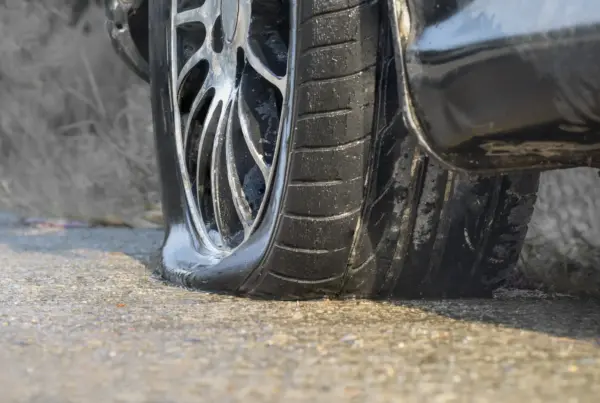
Once the factory clear coat is penetrated, the coating peels and the exposed metal corrodes. The pitting that follows is ugly, and it can also cause dangerous tire leaks.
Two accelerators are worth naming, because both are avoidable. Iron particles thrown off by brake pads embed in the finish and start corrosion from those specks. And acid-based wheel cleaners strip the very clear coat that was protecting the aluminum.
When Finish Failure Becomes a Bead Leak
Here is where a cosmetic issue turns into a repair order.
The bead seat is the machined ledge inside the wheel where the tire bead seals. General Motors published a technical service bulletin on this exact failure: a persistent slow air leak with a TPMS warning light on non-chrome-plated aluminum wheels. The cause is abrasive material intruding between tire and wheel at the bead seat, relative motion wearing the surface, and corrosive media from the environment then corroding the bead seat until it loses pressure.
You identify it by what looks like blistering of the finish at the bead seat, the same bubbled-coating symptom as everywhere else, just in the one place you cannot see with the tire mounted. Industry service guidance describes the same mechanism: constant friction between tire and wheel at the bead area can flake the coating off, with bubbled or discolored areas and TPMS-detected pressure loss as the early flags.
The repair is straightforward when caught in time. Sand the corrosion back to material that is stable and firmly bonded, then apply a bead sealant before remounting. GM’s bulletin puts a size limit on it: up to four inches of affected bead seat on a vehicle under 20,000 miles, up to eight inches over that, and past those figures the wheel gets replaced rather than repaired.
Two things follow. Corrosion caught small gets repaired, while corrosion caught late costs you the wheel. And cleaning it up is not enough on its own, because corrosion typically comes back within six to twelve months if the underlying protection is not restored. That is why a proper coating or a bead sealer with anticorrosion ingredients is part of the job and not an upsell.
The Rinse-and-Inspect Habit That Buys You Years
This is the highest-return thing any coastal owner can do, and it takes minutes.
- Rinse after beach exposure, right away. WELD Racing’s care instructions put it in four words: if exposed to salt, wash immediately.
- Wash every one to two weeks. Factory Reproductions recommends exactly that interval, using a mild soap and water solution with a dedicated wash mitt or soft cloth.
- Soap and water, nothing exotic. Moto Metal’s guidance is that car wash soap and water is all you need, and that most household cleaning agents are too harsh and must be avoided.
- Get the back side. The barrel and the inboard face collect the most and get cleaned the least.
- Dry the wheel, then wax or seal chrome and polished finishes. That step is what keeps surface corrosion off chrome.
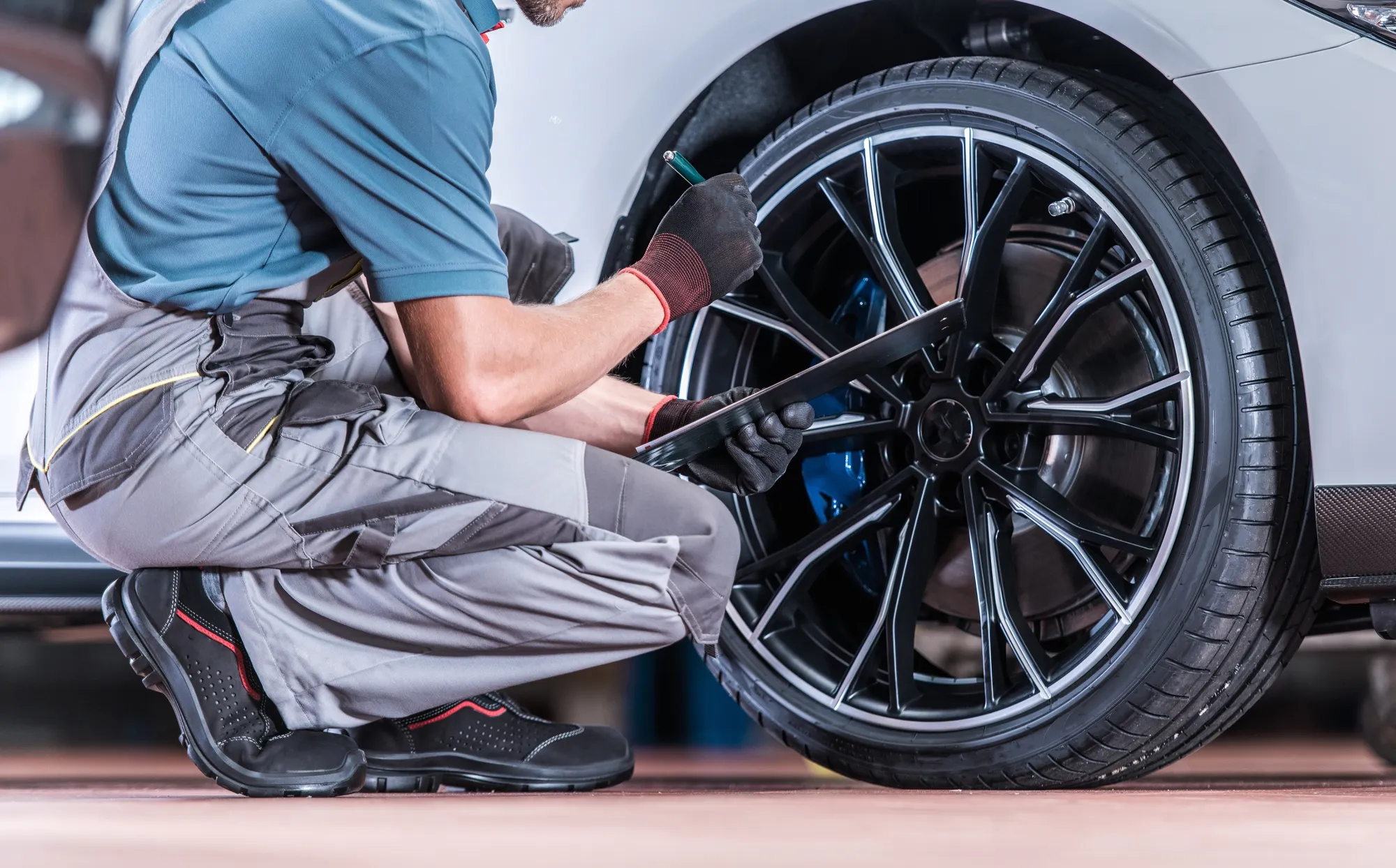
- Check the bead seat twice a year, when the tires are off anyway. Pairing that inspection with your tire rotation adds no labor and is the only time anyone can actually see that surface.
Clear-coated factory alloys tolerate a wider range of products, while aftermarket wheels with polished, painted, chrome, or machined finishes need gentler treatment to avoid oxidation and pitting. Manufacturers state that finish warranty claims are voided if improper maintenance or improper cleaning agents are used.
Choosing at the Counter: Matching Finish to How You Actually Drive
The choice comes down to where the vehicle sleeps and how you feel about washing it.
- Daily driver parked outside near the water. Powder coat. Thickest film, longest life in exactly these conditions.
- Garaged show truck you enjoy detailing. Chrome or polished. Both reward the effort, and you are already putting in the effort.
- Work truck or small fleet around Bay St. Louis and Waveland. Powder coat, paired with a rinse habit the drivers will actually follow.
- Boat launch and towing duty. Powder coat, and rinse the same day. A ramp puts the wheels in salt water, a harsher exposure than anything the air delivers.
- You want one specific color and plan to change wheels in a few years. Paint is reasonable, with a shorter finish life.
Wheels and tires get bought together, so the finish decision and the tire decision should happen in the same conversation, not two weeks apart. If you have been searching for a wheel shop near you on the Mississippi Gulf Coast, come talk it through with us in Waveland and bring your parking situation into the conversation, because it genuinely changes the recommendation.
As for cost, that moves with wheel size, finish, brand, and what is actually in stock, so any number printed in a blog post would be wrong by the time you read it. We will put together a current quote on the exact set you are considering.
Ready to Choose Your Wheels?
Maybe you are shopping custom wheels in Waveland, MS for the first time. Maybe you are replacing a set the salt air already got to. Either way, we will walk you through the finish options and what each one asks of you. Request a quote and tell us what you drive, where you park, and how you want it to look in five years.